Four-Season Hunting: The Art of Hunting in Harmony with Nature
Hunting is best defined as an adaptive craft rather than a static skill. It evolves alongside nature, as shifting seasons reshape weather patterns, animal habits, and wilderness terrain. For every hunter, adjusting tactics to match the current season is the foundation of effective and ethical hunting. Those who learn to read and adapt to nature’s yearly cycles will always outperform hunters who rely on fixed, one-size-fits-all tactics.
Spring: Vigilant Hunting in Rebounding Nature
As winter fades, spring revitalizes the entire wilderness ecosystem. Fresh plant growth creates plentiful food sources, rousing dormant wildlife into regular activity. Yet this lively season comes with key challenges: most wild game are in active breeding and nurturing phases, making them exceptionally skittish and alert to threats. To succeed, hunters should target low-activity daylight gaps, primarily dawn and twilight, when animals venture out to forage openly. With thin, newly grown foliage offering little cover, hunters must travel light, move silently, and closely inspect fresh tracks and wildlife traces to locate game without detection.
Summer: Stealth and Scent Management
Warm summer weather creates tough conditions for both hunters and wildlife. Intense midday heat drives most game to seek shelter in dense shade and stay close to steady water sources, turning these two locations into prime hunting zones. All summer hunts should be scheduled for the mild temperatures of early morning and late evening, the only windows where wildlife moves freely. A critical summer hunting rule is strict scent control—heat amplifies human odor, easily spooking wary game. Hunters also need full green camouflage to blend into thick summer foliage, plus adequate preparation to handle heavy insects and overgrown, rugged terrain.
Fall: Optimal Conditions for Successful Hunts
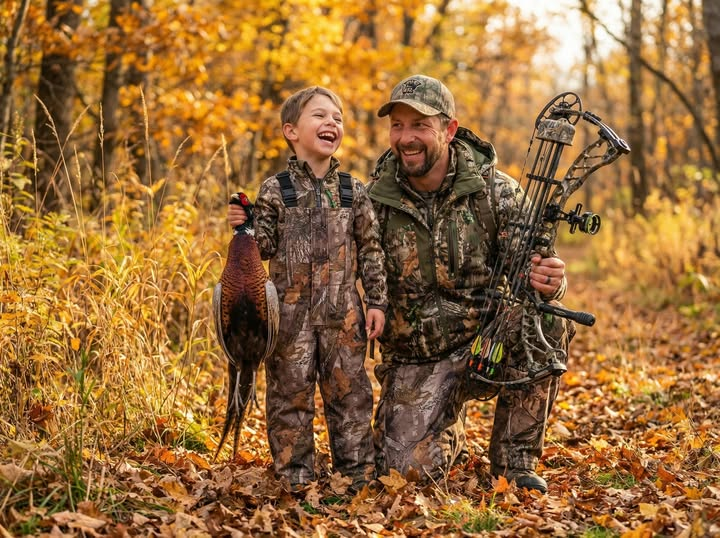
Autumn stands out as the most favorable season for hunting. As wildlife prepares for the coming winter, animals engage in heavy feeding to build up fat reserves. Many species also enter their breeding season, lowering their natural wariness and making their movements far more predictable. Hunters can leverage this behavior by using game calls and natural scents to lure targets within range. The turning autumn leaves deliver perfect natural camouflage, while fallen leaf litter makes fresh animal tracks highly visible and easy to follow. With basic preparation and seasonal behavioral knowledge, hunters can consistently secure rewarding results in fall.
Winter: Tactical Hunting and Field Resilience
Winter presents the most rigorous test of a hunter’s field skills, endurance, and strategy. Frigid temperatures limit wildlife movement, forcing animals to stick to consistent feeding grounds and established travel corridors. Snow cover and bare, sparse vegetation simplify tracking, letting hunters easily identify fresh game activity. Success hinges on targeting these reliable animal patterns. Warm, functional outdoor gear and strict safety measures are non-negotiable to endure freezing temperatures. Additionally, cold, dry air carries sound over longer distances, making quiet, deliberate movement essential. More than any other season, winter hunting rewards patience, careful planning, and unwavering persistence.
Final Thoughts
Each season gifts hunters unique obstacles and strategic advantages. Mastery of hunting comes from understanding how seasonal changes alter weather, food resources, and wildlife behavior, then adjusting tactics accordingly. The mark of a skilled hunter is not just high harvest rates, but the ability to harmonize with nature’s annual cycles and uphold genuine respect for the wild ecosystem.
Your Complete Starter Guide to Huntin
HoundX Professional GPS & Training Collar for Hunting Hounds
Related Article